Phonics Supports to aid in the Science of Reading
- Chelsey Hickenlooper
- Feb 12, 2025
- 3 min read

Today, let's dive into different phonics supports that can help aid in incorporating the Science of Reading into your teaching practices.
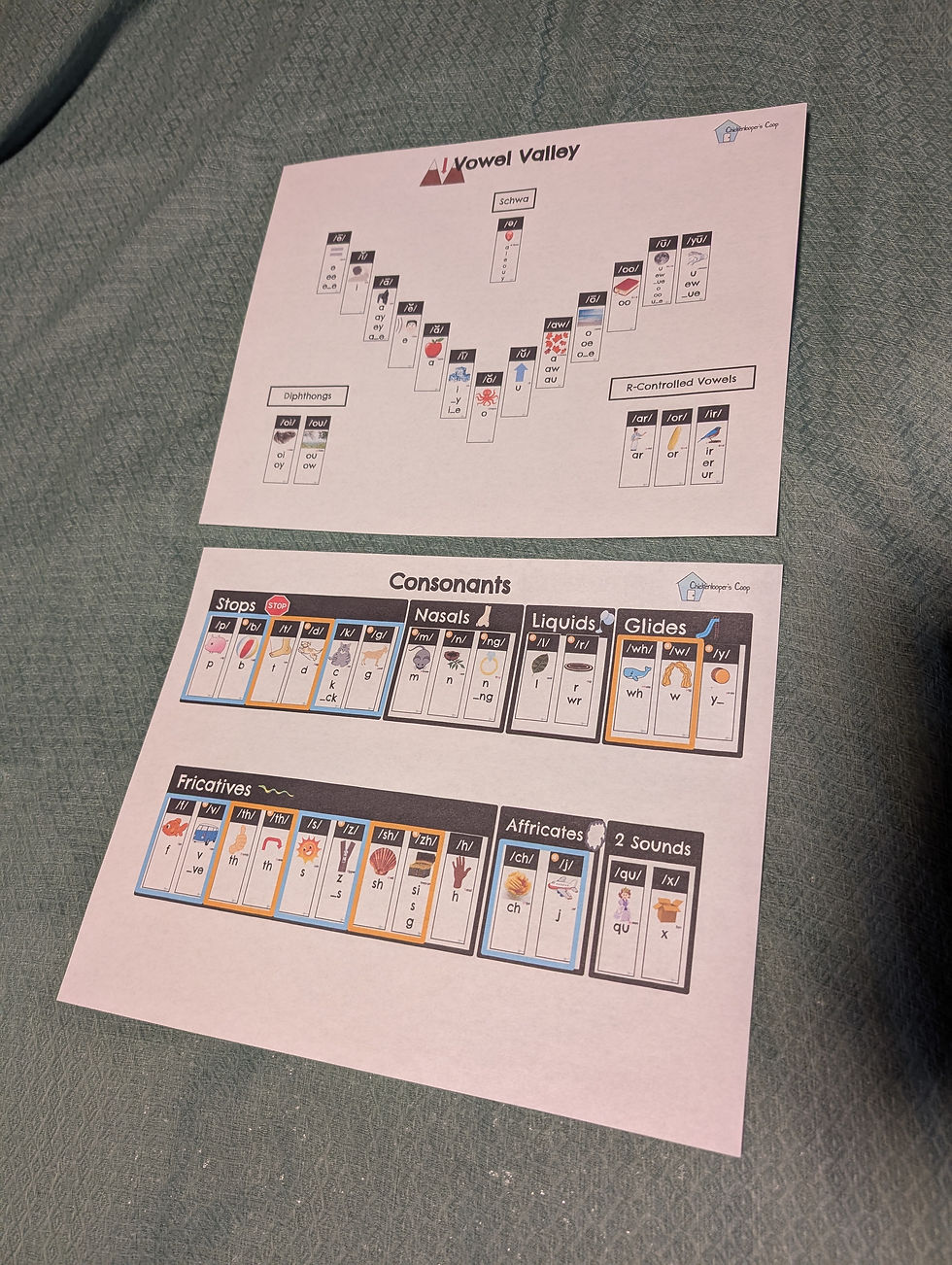
First, we talked last time about Sound Walls and how they support the Science of Reading philosophies. We also discussed the differences with a Word Wall. If you missed that post, I encourage you to go check it out. A sound wall with mouth cards can be a huge advantage in teaching your learners how to recognize graphemes (letters) with their corresponding phonemes (sounds). After clearly teaching my students how to use it, they could be seen going up to the sound wall or grabbing one of the mini ones during centers, writing time, or independent reading. It empowered their independence in learning to read and write. Were they always correct? No, but that gave me data to know what they needed to learn next in small groups. Before, I was constantly bombarded with questions and never seemed to see an end of the raised hands asking how to spell every word. Even though I would encourage them to write it based on the sounds they heard, they were not confident in the graphemes that correlated with the sounds in the word.
Another phonics support is word building mats. There are many variations to this that can be used for different purposes.
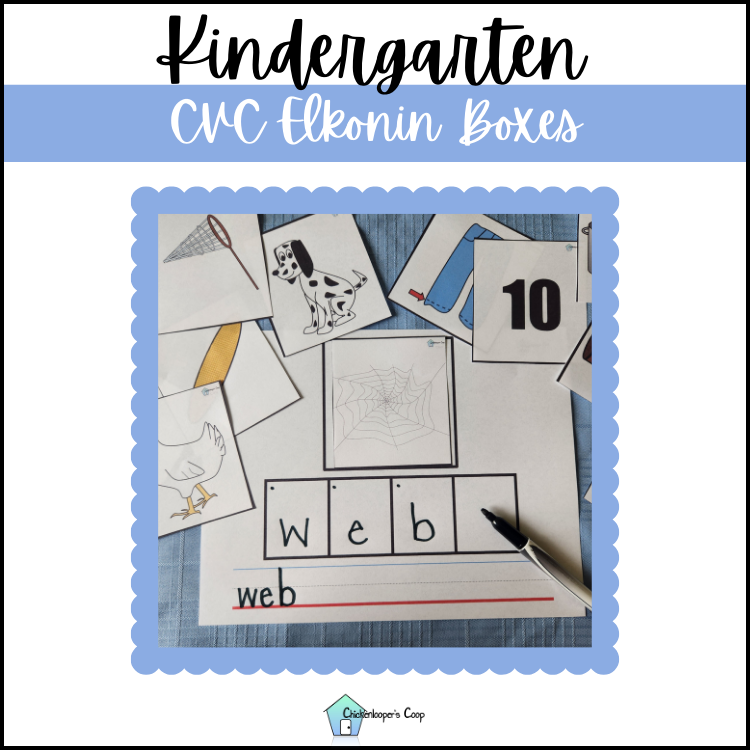
Some use Elkonin Boxes to help students segment the sounds within a word and be able to see how the sounds and letters fall. This can be helpful for beginning writing and recognizing when more than one letter make one sound (such as th or sh) or when one letter makes two sounds (such as q or x). Many people use them when teaching high-frequency words, since several use rules that our students do not know yet.
If you're interested in using elkonin boxes for teaching high-frequency journals, check out my ones for kindergarten, first grade, or the editable one. I also have these Heart Word cards for kindergarten words.
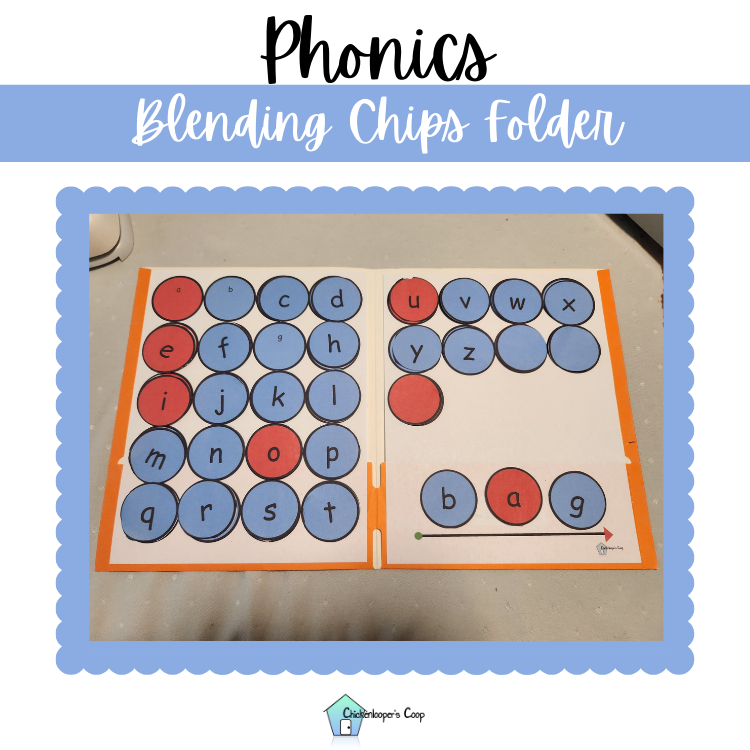
The other style uses letter tiles or circles that students manipulate to form words. These are used in some phonics programs, such as 95% Phonics. These work well with CVC words, especially, when working with students to hear the three sounds or with segmenting and blending the sounds within a word.
Decodable readers are another important part of phonics instruction. After learning new words or skills, it is imperative that students practice that skill in text. We don't want just any old text, however, we want one that focuses on that skill and doesn't have words that include skills not yet learned. This is why they need to be decodable. If you are using a specific phonics program, they likely have decodable readers they recommend that follow their patterns. My school used the Wonders Reading Program and then 95% Phonics, which each had their own decodable readers or passages that built upon the skills the students were learning in order. This helped make reading achievable and develop confidence as students saw what they were learning within the text. During independent time, I could catch students rereading those passages because they were so proud of themselves for learning to read.
For examples of decodable readers or ones for later in the year of kindergarten, check out these decodables in my shop.
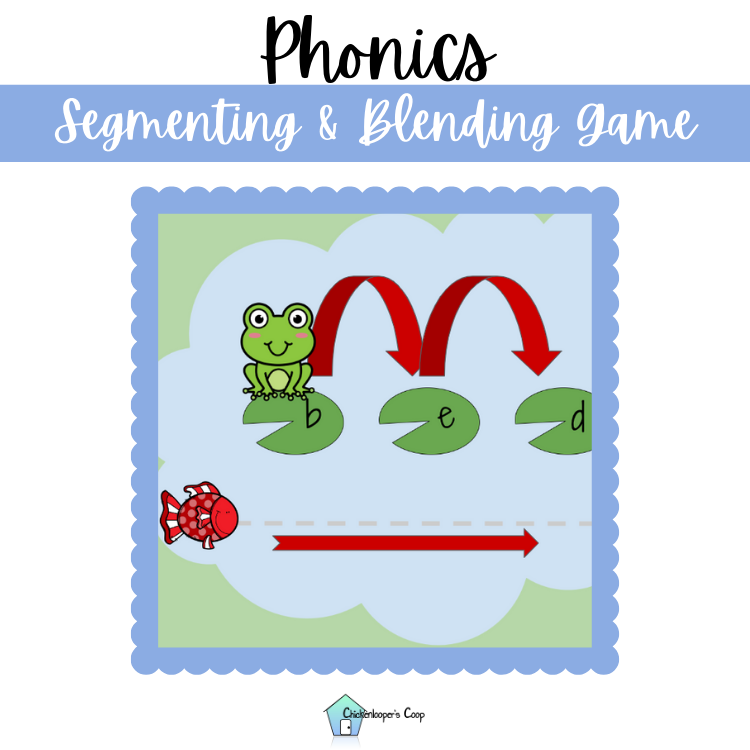
Finally, phonics games. We know children learn best through play, so we need to give them opportunities to play with words, letters, and sounds. Again, there are many options in this category and it's best to find ones that cover the skills you are working on while making it something the child is interested in. For a simple segmenting and blending game, you can check out my Lily Pad Hop Game.
I hope some of these help your students feel more confident as they learn to read and write. Phonics can help make sense of our English language, especially when it can be confusing with the mix of other languages it contains.
If you want to use any of my resources listed above, you can check them out in my shop. Most will be listed under "Sound Walls" or "Phonics." I've linked them throughout the post, if you are interested in a specific one.


Comments