Using the Science of Reading with a Sound Wall
- Chelsey Hickenlooper
- Feb 6, 2025
- 4 min read

When you start learning about the Science of Reading, it can feel overwhelming, especially if you have not learned about phonics. This post is to help you incorporate the use of a sound wall into your classroom or teaching to help your students make strong connections between phonemes and graphemes. Let's dive in!
I first heard the term "Science of Reading" when my district participated in the LETRS training. This training lasted two years and covered a lot of really great content, that I won't go into here. The short of it, though, is I learned a lot and when we got to sound walls, I wanted to add that to my practice, but I was so confused as to what it was and how to use it.
What is a Sound Wall?
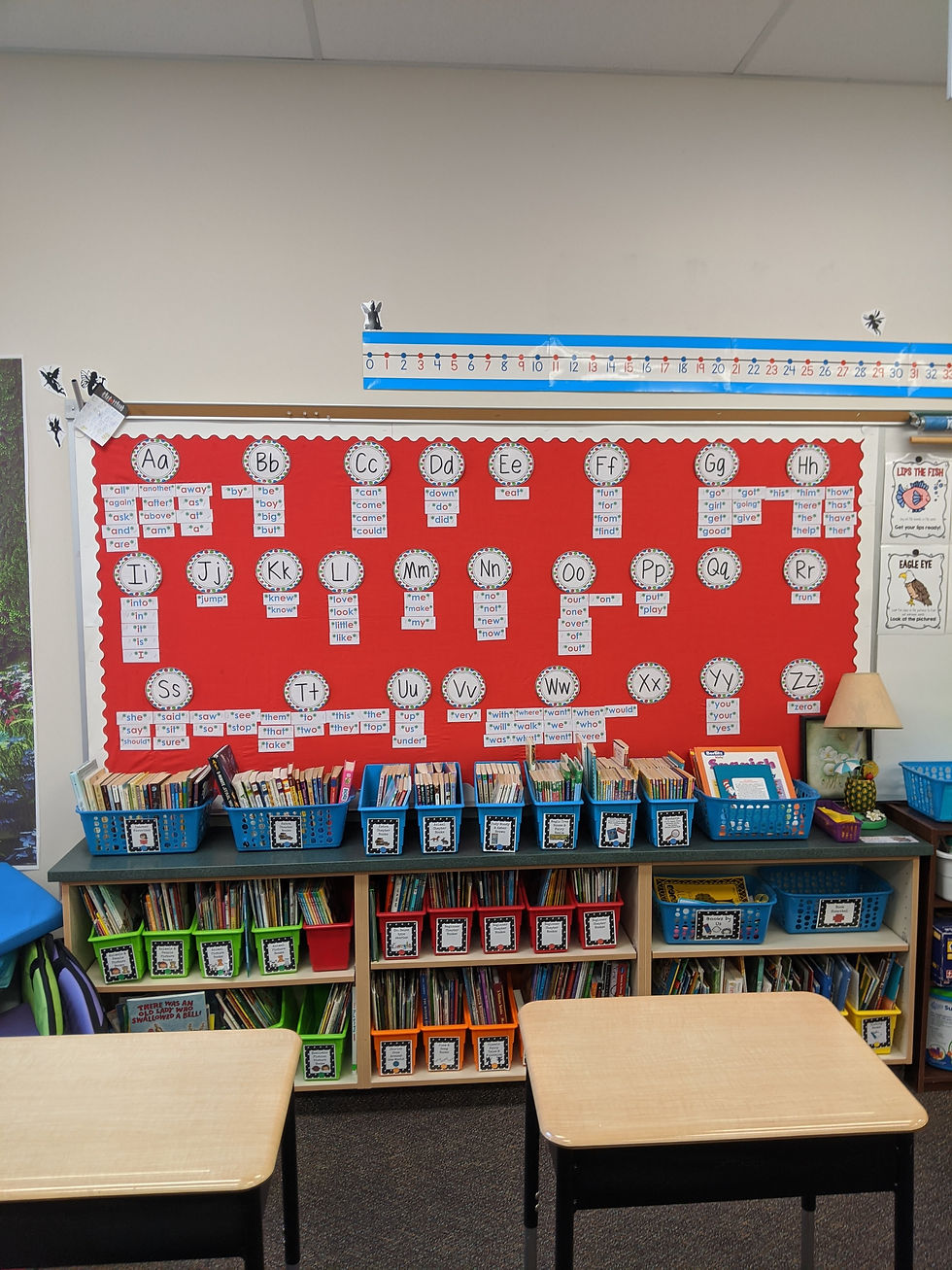
A sound wall is a display that organizes words by the sounds, rather than the first letter, like a word wall. There are 25 consonant sounds and 19 vowel sounds in the English language, for a total of 44 (the letters 'q' and 'x' are combinations of other consonant sounds), so while there are 26 letters, we have more sounds than that.
This is important to realize, because students learning to write have a hard time finding words that begin with a different sound (or phoneme) than they are used to for that letter. For example, the word "who" begins with a 'w,' so we would place it under 'W' on the Word Wall, but an early learner would here the beginning sound /h/ and think it begins with an 'h'. This is very discouraging for children trying to be independent. On a sound wall, though, the word "who" would be placed under the /h/ sound, with the graphemes 'wh' listed on the sound card as a way to spell that sound.
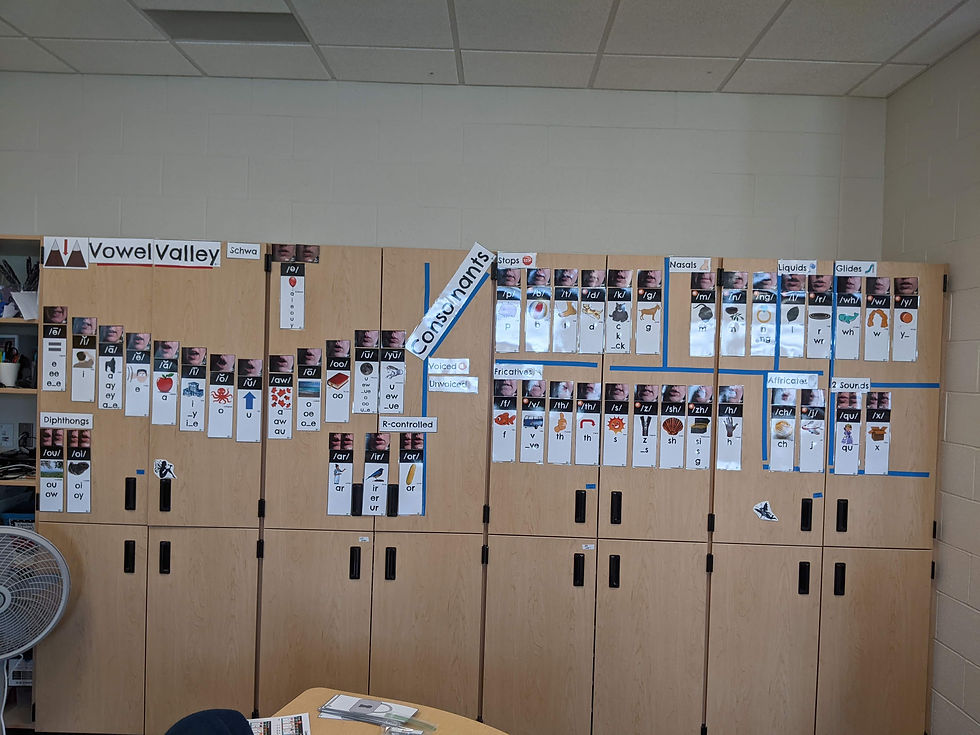
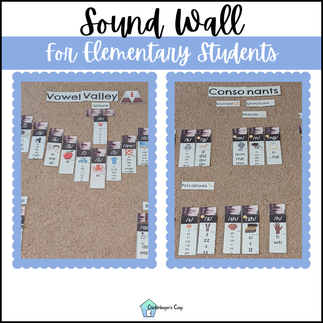
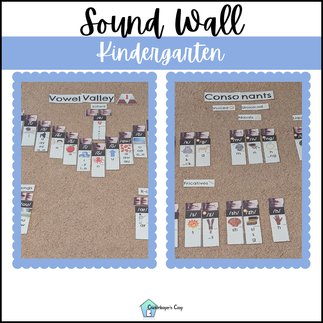
Typically, a sound wall is broken up by vowel and consonant sounds as a "Vowel Valley" and Consonants. This is because the vowel sounds align by how the mouth moves while saying those sounds. For example, when saying the long e sound, like at the beginning of the word equal, the mouth is wide, but mostly closed. When you transition to the short i sound, like at the beginning of itch, the mouth opens just slightly. Compare this to the short o sound, like at the beginning of octopus, and you see a huge difference in the mouth movements.
The consonants are broken up by type of sound, such as stops or fricatives. This refers to how the sound is made or is used in a word.
There's a bit more information for each of these categories, but I'll leave it at that for now.
How do I get Started Using a Sound Wall?
If you search online, especially TeachersPayTeachers, there are many sound wall options that come in all types of designs to match different classroom themes. They will also use different key words depending on their preference or phonics programs. There are also some that use real images and others that use clipart. Once you decide on the style that you like, you get everything printed, cut, laminated if you choose, and place it on a large bulletin board in your room. A hint if things are too big, you can print them slightly smaller to take up less space. Then, you slowly introduce it to your students. I use lock cards for mine to keep things covered until we talk about that sound, so it isn't too overwhelming for the young learners. You introduce the sound, how it is formed, and a grapheme that spells that sound (best to start with the ones they know). Then, as words come up, you can add them below that sound for students to reference. I found this especially helpful for writing time.
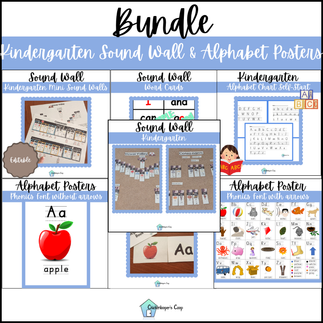
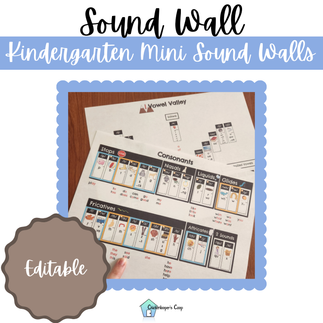
If you are interested in using the one I have pictured above, I have it for purchase in my shop. I made two versions: an elementary version with many graphemes, and a kindergarten version with very few graphemes (only the ones we covered in our curriculum). My school used 95% Phonics, so I wanted to make sure the key words aligned for my students to make strong connections and make it easier for them to remember.
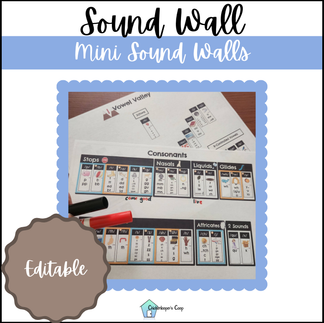
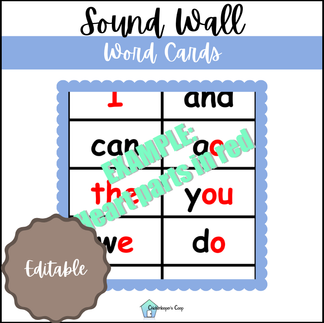
Included in my sound wall are header cards, sound cards, mouth cards, mouth cards with qr codes to videos of the sound, mini sound walls to keep at student desks or teacher table, editable cards to add words to your sound wall.
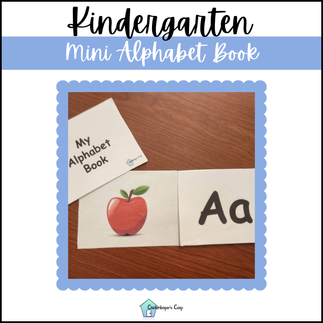
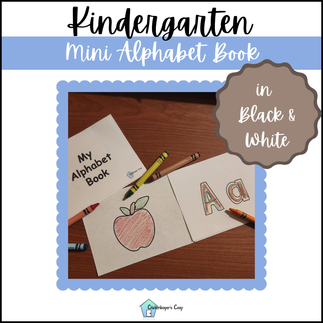
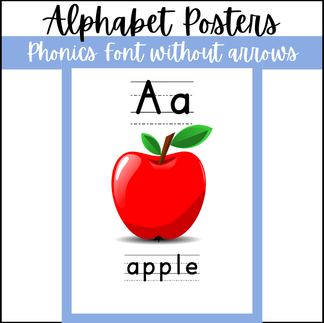
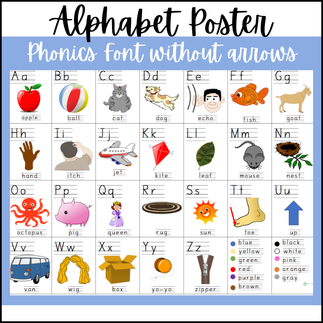
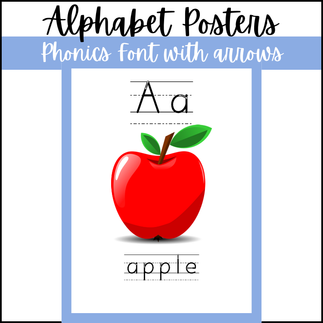
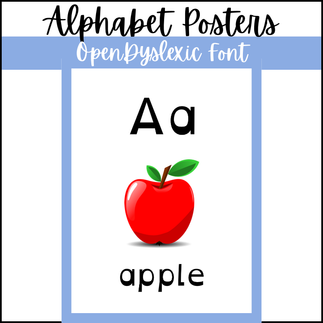
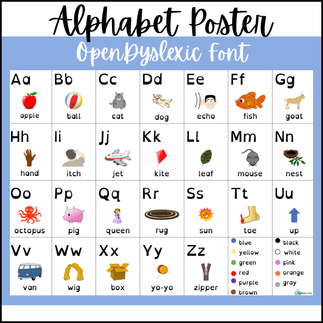
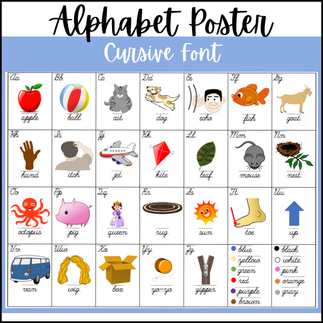
I also have bundles that include alphabet posters that use the same clipart. There are versions with a phonics font, phonics font with guiding arrows, OpenDyslexic font, and cursive. They also include mini alphabet books in color or black and white.
Links are listed below the images. It wouldn't let me link the images themselves.

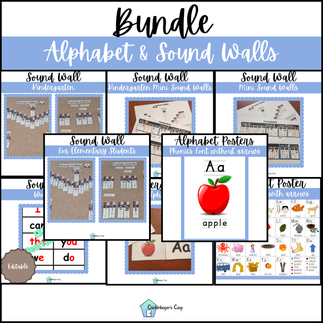

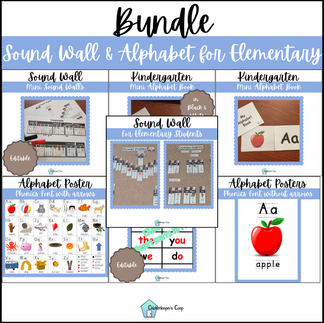

















Click here if you want just the Elementary Sound Wall
Click here if you want just the Kindergarten Sound Wall
Click here if you are interested in the Alphabet Posters or Mini Books


Comments